New Work From Our Faculty!

The study titled "Epidemic Diseases with Religious and Ethical Aspects" edited by Dr. Tuba Erkoç Baydar, one of the faculty members of our faculty, was published by Ibn Haldun University Publications!
Epidemics are critical events that change the cultures, habits, values and lives of societies beyond the issue of life and death. As historical experience has shown us, critical events and situations add momentum to history, or push it over the threshold. COVID-19 is one such pandemic. Indeed, with this pandemic, the world has made a rapid leap from physical connectivity to a more virtual connection. With millions of people dying, billions of people have experienced and are experiencing psycho-social and economic problems due to this pandemic. Due to its serious global effects, the COVID-19 pandemic is an important issue that needs to be addressed in an interdisciplinary and multidimensional manner and its long-term consequences should be discussed.
In order to contribute to the interdisciplinary examination of the issue, this book examines epidemics from a religious and ethical perspective. As a matter of fact, religion and ethics are two important aspects that need to be emphasized in making sense of epidemics and discussing their possible effects, as in many issues. Especially in a Muslim country, the religious aspect of epidemics is an issue that must be emphasized. As a matter of fact, the establishment of a council consisting of state officials and scholars in order to discuss the issue in detail and consult on the sharia side during the epidemics in the Ottoman period clearly shows the importance of the issue.
In fact, this book was born from the idea of publishing the workshop organized last year at Ibn Haldun University Faculty of Islamic Sciences due to the importance of the issue. On July 18, 2020, an international and interdisciplinary one-day workshop titled "Epidemics and Religion" was held. This workshop, to which experts in the field were invited, was also broadcast live on Youtube and was appreciated by people. After this successful workshop, upon requests and proposals, the speeches were brought into a scientific article format and further enriched by adding the writings of other experts in the field.
Related Content
Asst. Prof. Feyza Uzunoğlu and Our Graduate Student Rukiye Gedikli Present Two Papers at the 3rd International Mesopotamia Congress
Asst. Prof. Feyza Uzunoğlu Saçmalı Presented at the 59th Leeds International Medieval Congress
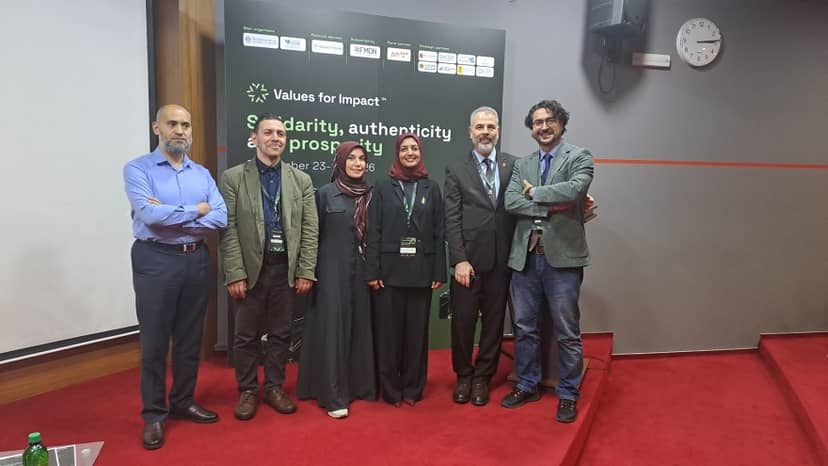
Büşra Sıdıka Kaya Examines Bosnia's Intellectual Heritage and Resilience in International Sarajevo University
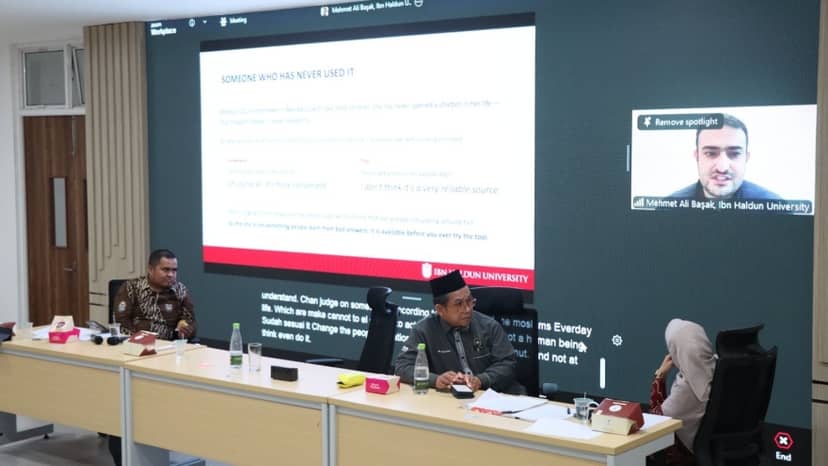
Assist. Prof. Mehmet Ali Başak Invited as a Speaker at the International Conference Themed “The Future of Islamic Law and Artificial Intelligence”
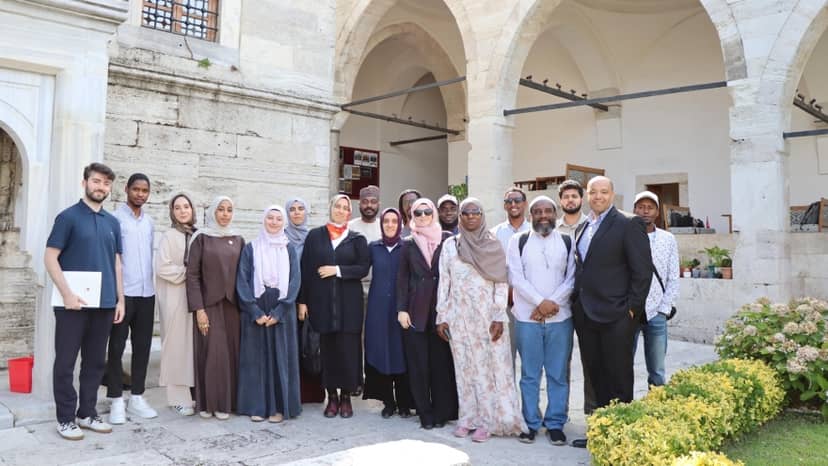
International AISSHA Program Held Under the Leadership of the School of Islamic Studies Department of Philosophy and Religious Studies
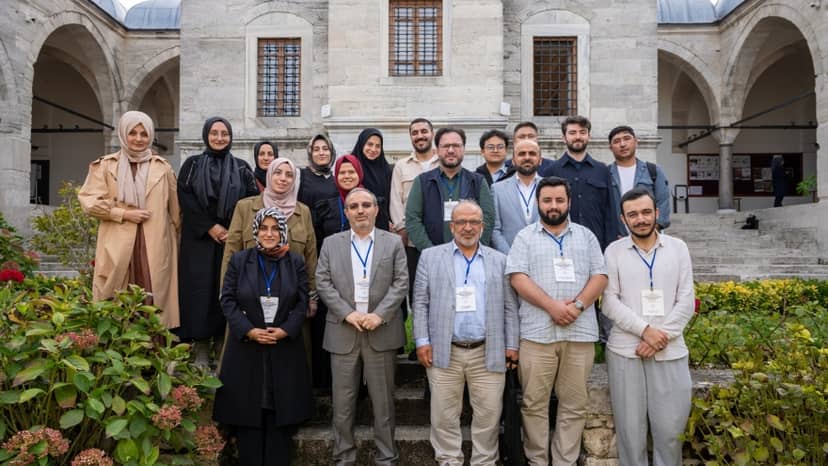
“Reflections of Necessity: The Application of the Principle of Necessity from a Bio-Fiqh Perspective” Workshop Held in Salis Madrasa
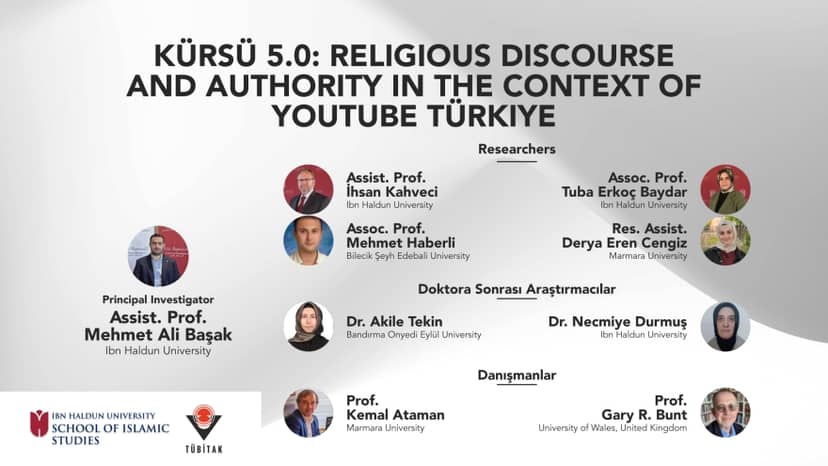
“Kürsü 5.0” Project Led by Assist. Prof. Member Mehmet Ali Başak Receives TÜBİTAK 1001 Funding
School of Islamic Studies Held “Understanding Muslim Subjectivities in Local and Global Contexts”