Mamluk Intellectual History I–II, Edited by Asst. Prof. Büşra Sıdıka Kaya, Published by IHU Press

Edited by Asst. Prof. Büşra Sıdıka Kaya, the two-volume work titled Mamluk Intellectual History I: Literature Review and Mamluk Intellectual History II: Ulama Families has been published by IHU Press.
Edited by Asst. Prof. Büşra Sıdıka Kaya from our School of Islamic Studies, the two-volume work titled “Mamluk Intellectual History I: Literature Review” and “Mamluk Intellectual History II: Ulama Families” was published by Ibn Haldun University Press in October 2026. The two-volume publication was authored by researchers and scholars from various universities.
The Mamluk era represents a period marked by profound political, social, and scholarly transformations in Islamic history. Centered in Egypt and Syria, this era corresponds to one of the most vital phases of Islamic civilization in terms of the scholarly endeavours of the ulama, educational institutions, traditions of authorship, and processes of knowledge production. In recent years, growing academic research has enabled a re-evaluation of the Mamluk period not only through its political history, but also via its intellectual and scholarly heritage.
Mamluk Intellectual History Centred on Scholarly Literature
Mamluk Intellectual History I: Literature Review brings together contemporary studies on the intellectual history of the Mamluk period to evaluate the existing scholarship in the field. The volume examines the relationships of the ulama with official appointments, the tradition of hadith transmission, tafsir and fiqh literature, historiography, legal institutions, ulama families, political thought, and the Mamluk-Ottoman transition period from a literature-based perspective.
In doing so, the core research themes, prominent methodological approaches, and key debate topics in the field are scrutinized within a holistic framework. Prepared with contributions from various scholars, this work provides a literature assessment for studies on Mamluk intellectual history, delineating the opportunities and limitations of existing scholarship while seeking to establish a foundation for new research.
Transmission and Reproduction of Knowledge Through Families
In Mamluk Intellectual History II: Ulama Families, Mamluk intellectual life is addressed through the axes of ulama families, teacher-student relationships, text-centered knowledge production, and intercity scholarly circulation.
Through prominent ulama families such as al-Maqrizi, al-Bulqini, Ibn Jama'ah, al-Iraqi, Ibn Taymiyyah, al-Qarafi, al-Fasi, and Ibn al-Wardi, the work explores multifaceted aspects of the formation of scholarly authority, madhhab affiliations, biographical writing, social capital, scholarly mobility, and center-periphery dynamics. It thereby evaluates how knowledge was transmitted and reproduced not only through institutional structures, but also via families, scholarly circles, and texts.
Bringing together current research on Mamluk-era ulama circles, this collaborative volume aims to contribute to debates on Mamluk intellectual history through a relational and multidimensional approach.
We congratulate our faculty member Assist. Prof. Büşra Sıdıka Kaya and all contributing scholars, wishing these two publications a lasting and significant impact on the academic community.
Related Content
Asst. Prof. Feyza Uzunoğlu Saçmalı Presented at the 59th Leeds International Medieval Congress
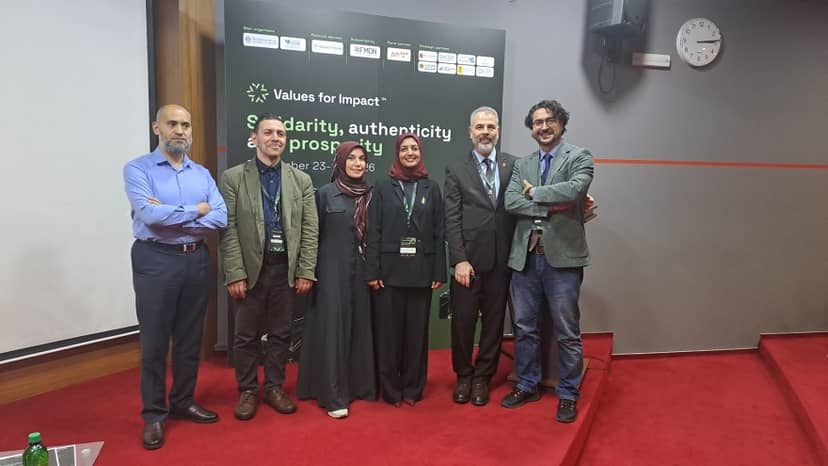
Büşra Sıdıka Kaya Examines Bosnia's Intellectual Heritage and Resilience in International Sarajevo University
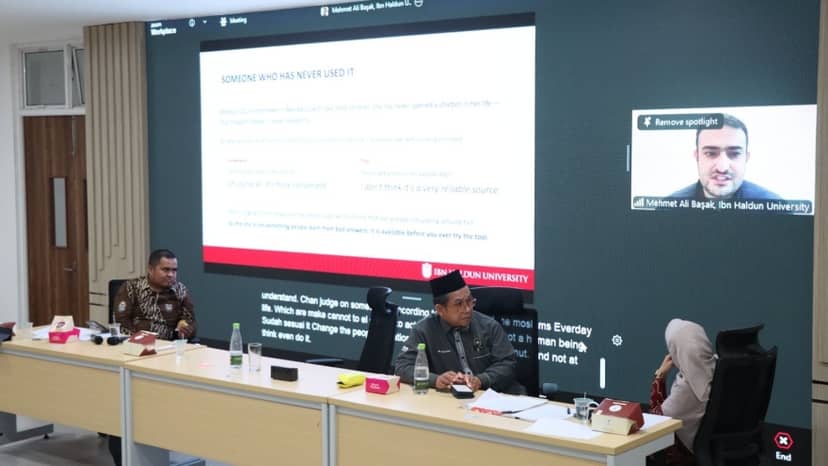
Assist. Prof. Mehmet Ali Başak Invited as a Speaker at the International Conference Themed “The Future of Islamic Law and Artificial Intelligence”
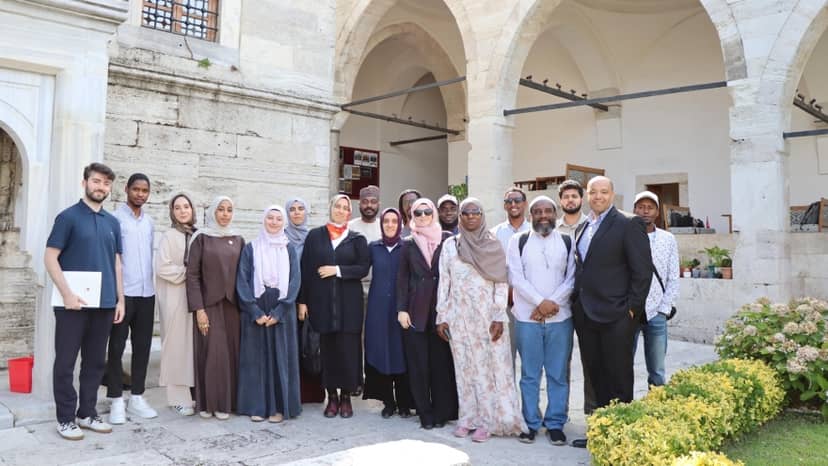
International AISSHA Program Held Under the Leadership of the School of Islamic Studies Department of Philosophy and Religious Studies
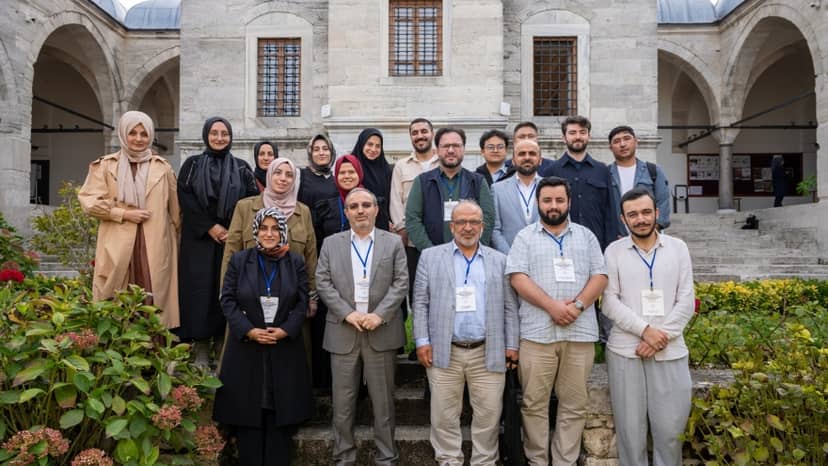
“Reflections of Necessity: The Application of the Principle of Necessity from a Bio-Fiqh Perspective” Workshop Held in Salis Madrasa
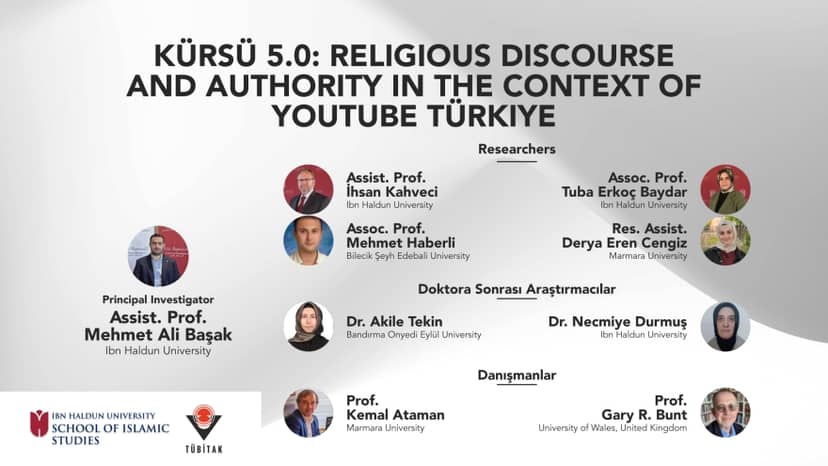
“Kürsü 5.0” Project Led by Assist. Prof. Member Mehmet Ali Başak Receives TÜBİTAK 1001 Funding
School of Islamic Studies Held “Understanding Muslim Subjectivities in Local and Global Contexts”
School of Islamic Studies Gathers for the Graduation Dinner