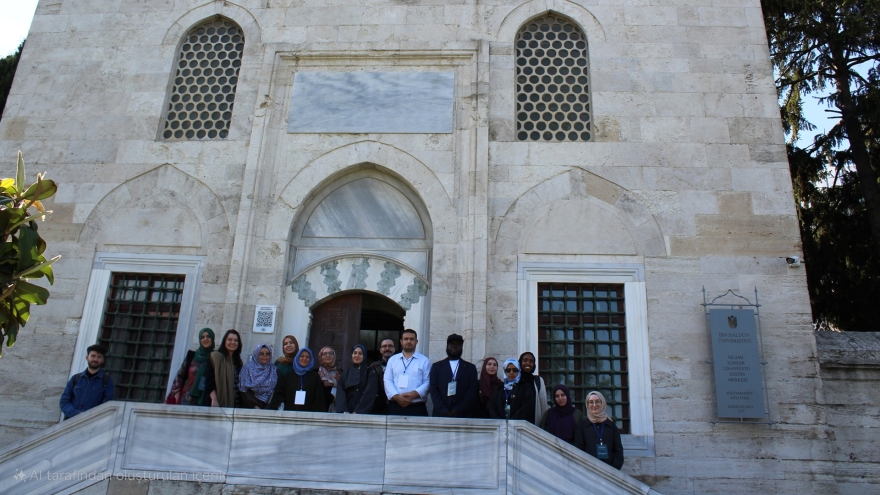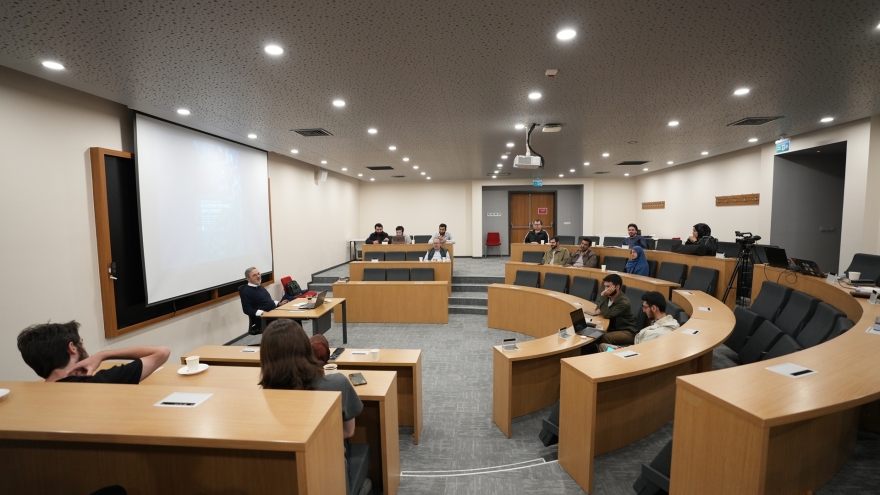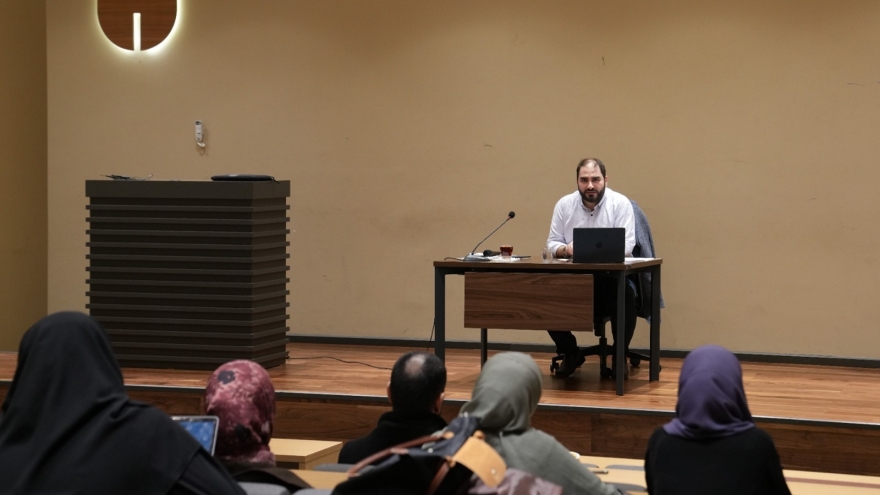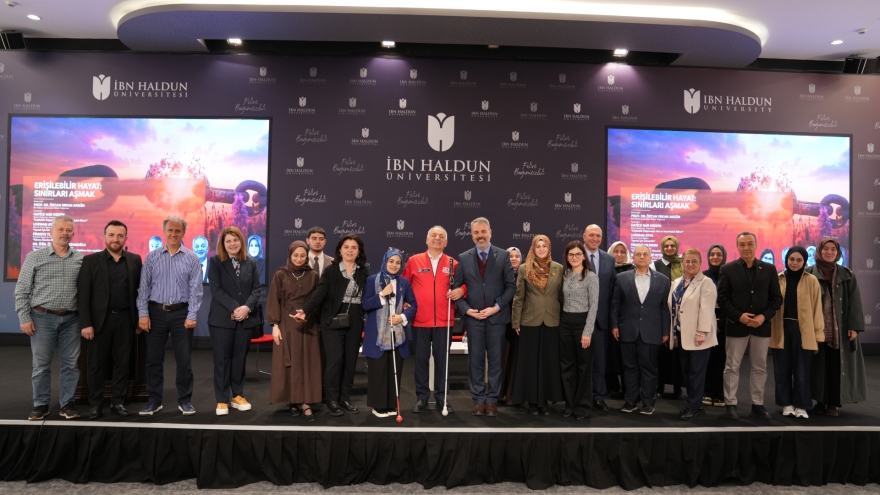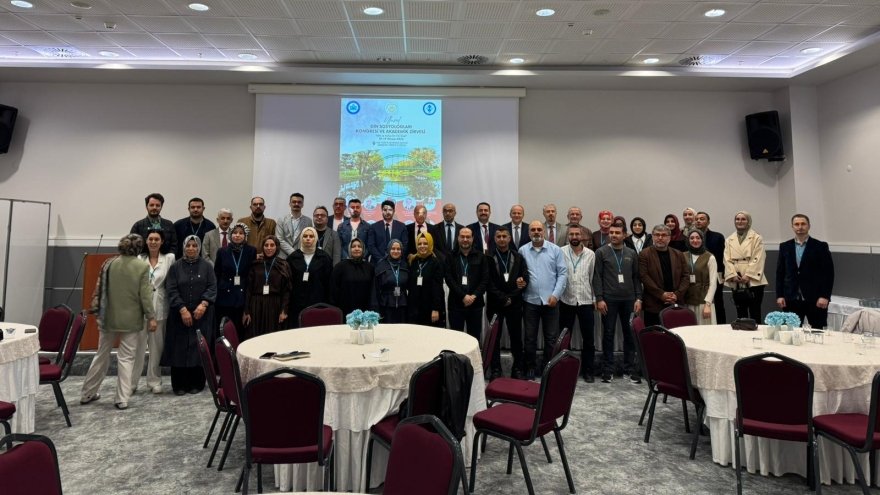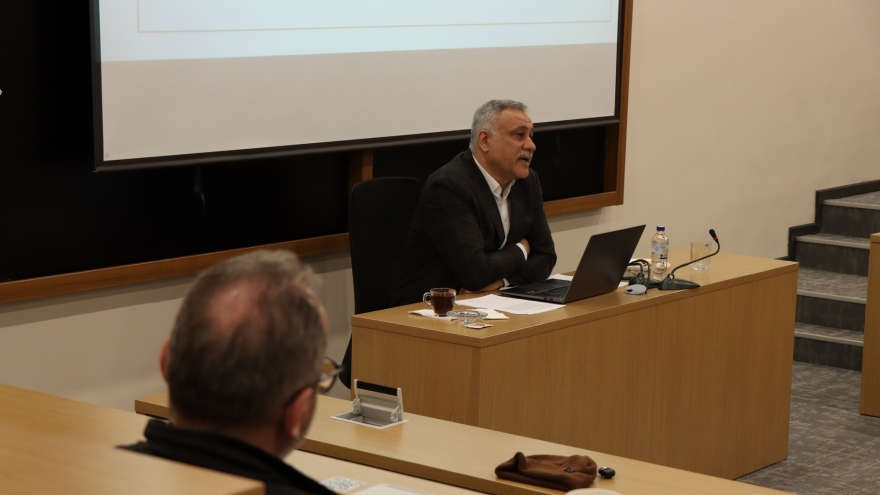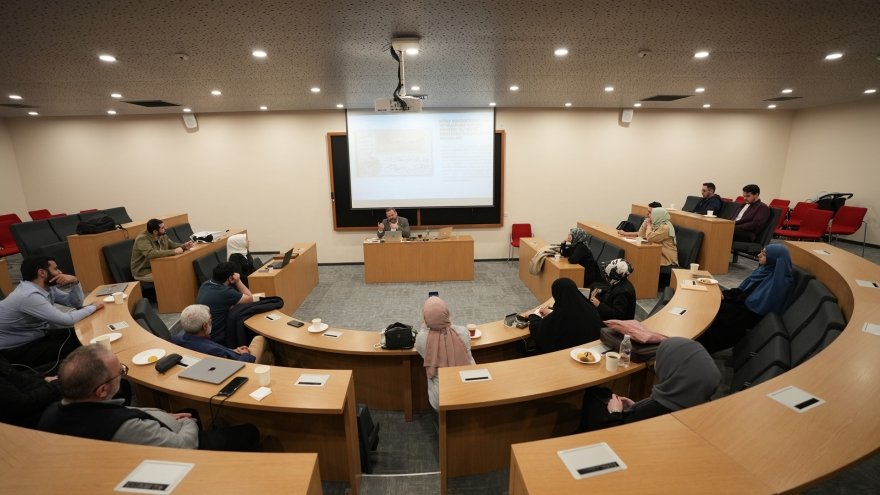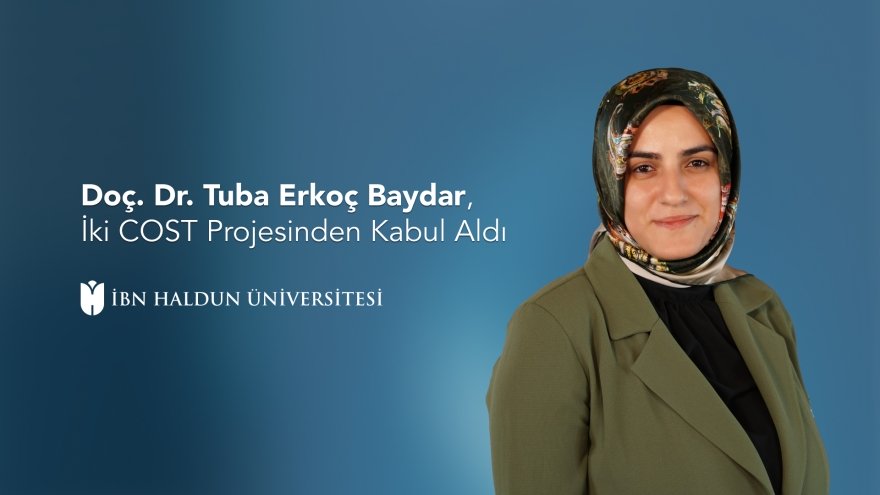

The workshop titled “Reflections of Necessity: The Application of the Principle of Necessity from a Bio-Fiqh Perspective”, organized by the Ibn Haldun University School of Islamic Studies within the scope of the project “TÜBİTAK 3501: Fundamental Principles of Bio-Fiqh/Bioethics” led by Assoc. Prof. Tuba Erkoç Baydar, was held on September 26, 2026, at the Ibn Haldun University Süleymaniye Salis Madrasa.
Addressing the theoretical foundations and contemporary application areas of the principle of necessity (darūrah) in bio-fiqh, the workshop brought together scholars from various disciplines across Islamic sciences, jurisprudence (fiqh), bioethics, and contemporary medicine. The event featured comprehensive deliberations ranging from the place of the concept of necessity within classical jurisprudential heritage to its practical applications in modern life issues.
Commencing with opening remarks and a project introduction session, the workshop began with an opening address by Prof. Hacı Mehmet Günay, Dean of the School of Islamic Studies. Subsequently, Assoc. Prof. Tuba Erkoç Baydar briefed participants on the ongoing work conducted under the “Fundamental Principles of Bio-Fiqh/Bioethics” project.
The first session of the program explored “The Theoretical Framework of the Principle of Necessity.” Chaired by Prof. Abdurrahman Haçkalı, President of the High Council of Religious Affairs, the session featured presentations by Hande Yavuz Kan titled “The Nature and Theoretical Framework of the Concept of Necessity: An Intra-Madhhab Evaluation Through Tuhfat al-Muhtaj” and by Assoc. Prof. Tuba Erkoç Baydar titled “Necessity from Theory to Practice: A Jurisprudential Analysis of the Human Shield Issue”.
The second session addressed “Evaluating Human Life within the Framework of the Principle of Necessity.” Chaired by Prof. Bilal Aybakan, Assist. Prof. Mustafa Karapınar delivered a paper on “Brain Death in the Context of the Principle of the Preservation of Life”, followed by Fatma Betül Hassanein’s presentation titled “The Limit of Life-Sustaining Medical Interventions within the Context of the Principle of Necessity: The Case of DNR Orders”.
In the afternoon session, titled “The Use of the Principle of Necessity in Fatwa Institutions”, discussions centered on how the principle is applied across various fatwa bodies in the context of contemporary jurisprudential issues. Chaired by Prof. Abdullah Kahraman, Assist. Prof. Mehmet Ekim presented “Fatwa Institutions’ Understanding of Necessity: The Cases of the Islamic Fiqh Academy, the High Council of Religious Affairs, and the European Council for Fatwa and Research”, and Iklil Athroz Arfan delivered a paper titled “Necessity (Darura) at the Boundaries of Human Life: From Furū' Cases to MUI Bioethical Fatwas”.
The workshop concluded with a comprehensive evaluation and discussion panel, in which the topics examined throughout the day were debated from multiple angles. Under the moderation of Prof. Abdullah Kahraman, participants shared perspectives on both the theoretical dimensions and contemporary practical applications of the principle of necessity.
Enriched by scholarly debates and constructive dialogue, the workshop contributed to evaluating contemporary bio-fiqh issues in light of classical jurisprudential heritage, establishing a vital groundwork for future academic research and collaborative projects.
We extend our heartfelt gratitude to the scholars who contributed to the realization of this workshop, to all our attendees, and especially to the project team—foremost the project director Assoc. Prof. Tuba Erkoç Baydar, as well as Assist. Prof. Mustafa Karapınar, Büşra Nur Mete, Iklil Athroz Arfan, Fatma Betül Hassanein, Hande Yavuz Kan, and Research Assistant Besim Enes Alper—and hope that such scholarly endeavors will pave the way for further research.