International Symposium on “Tafsir Activities in the Ottoman Empire” Held at Our University
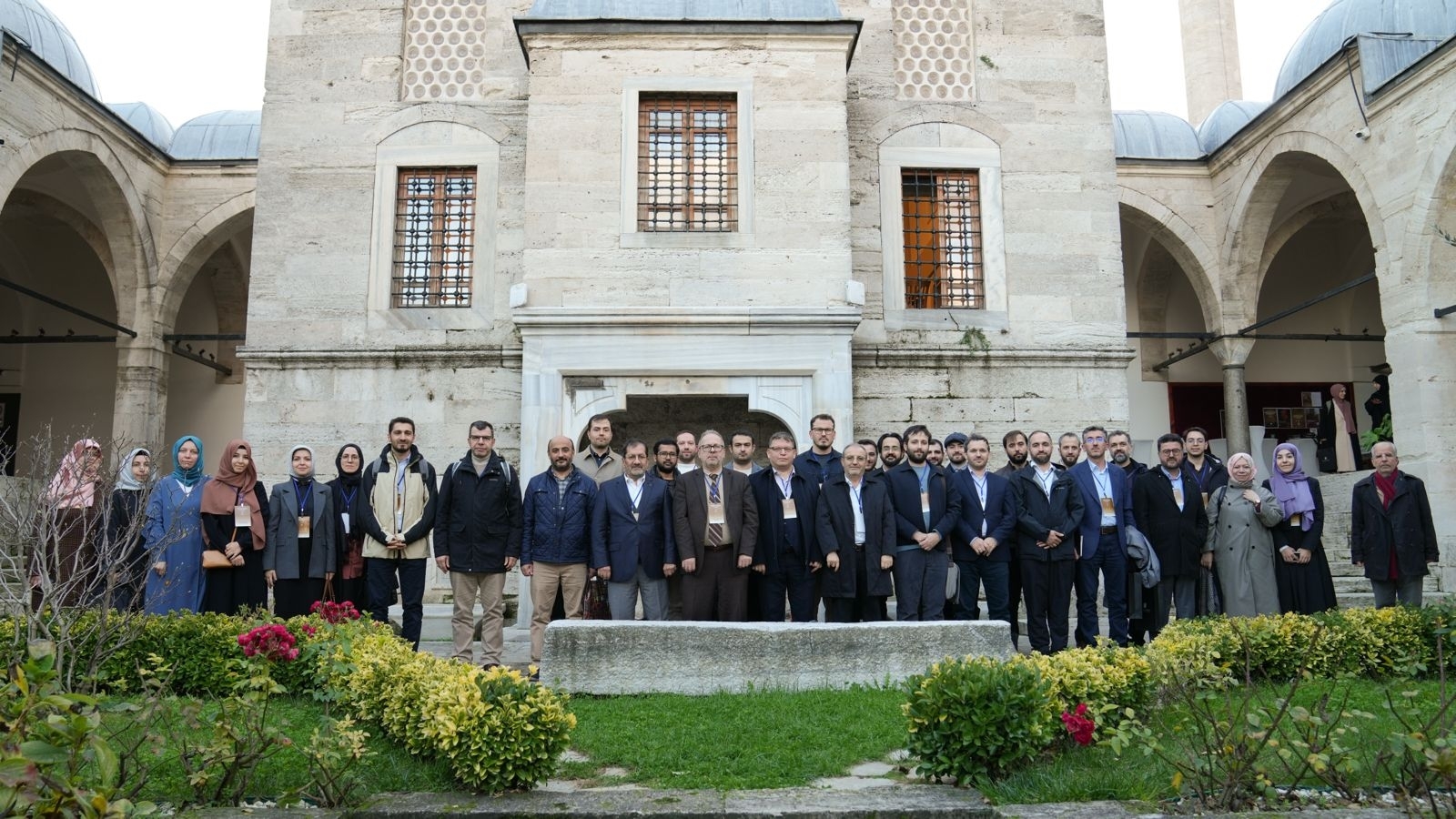
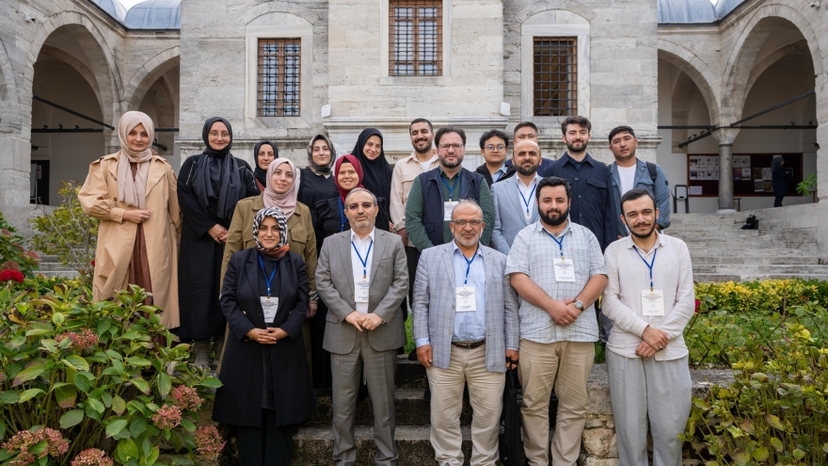
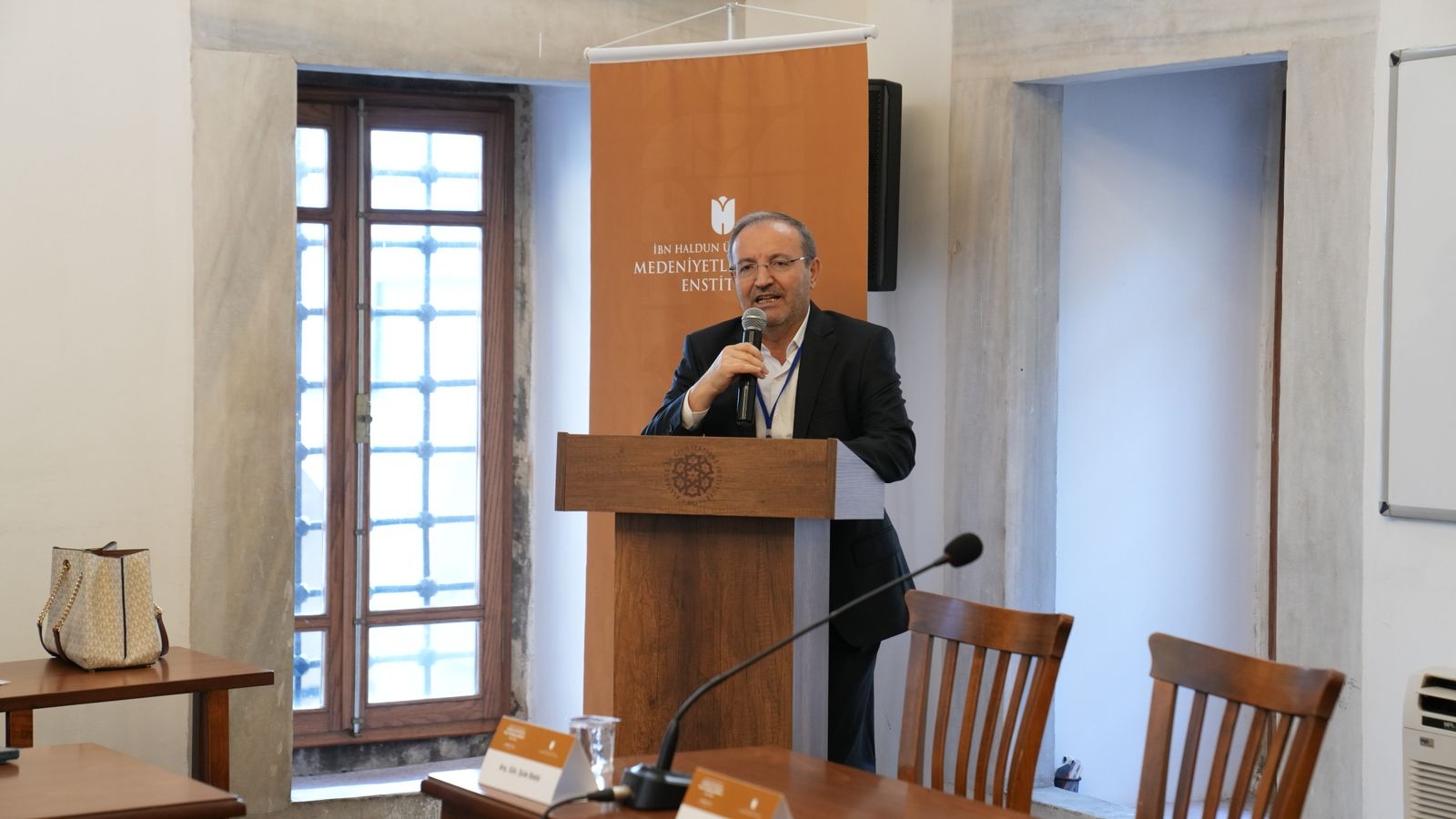
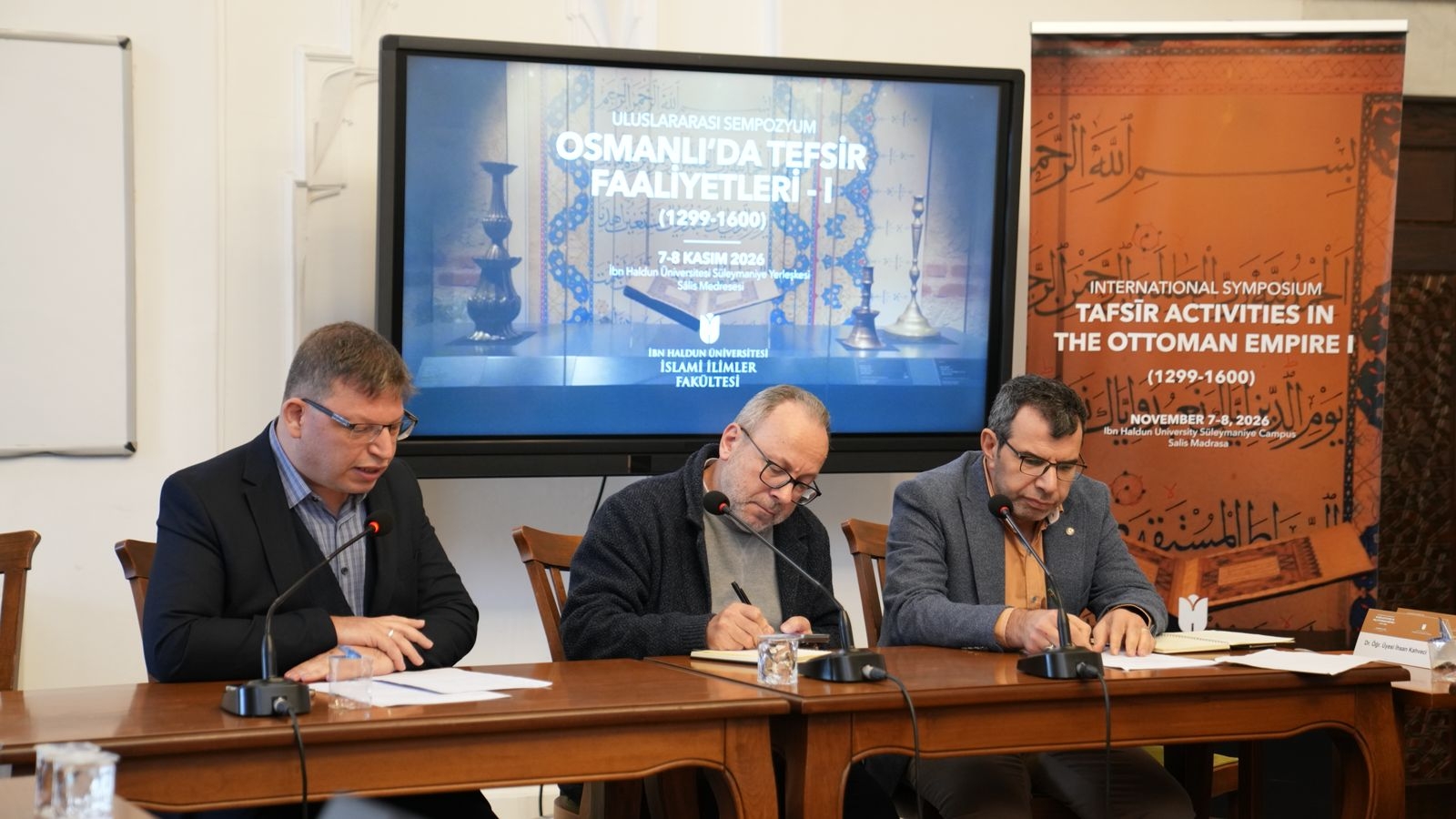
The International Symposium on “Tafsir Activities in the Ottoman Empire I (1299–1600)”, organized by our School of Islamic Studies, was held at the Salis Madrasa located at our Süleymaniye Campus.
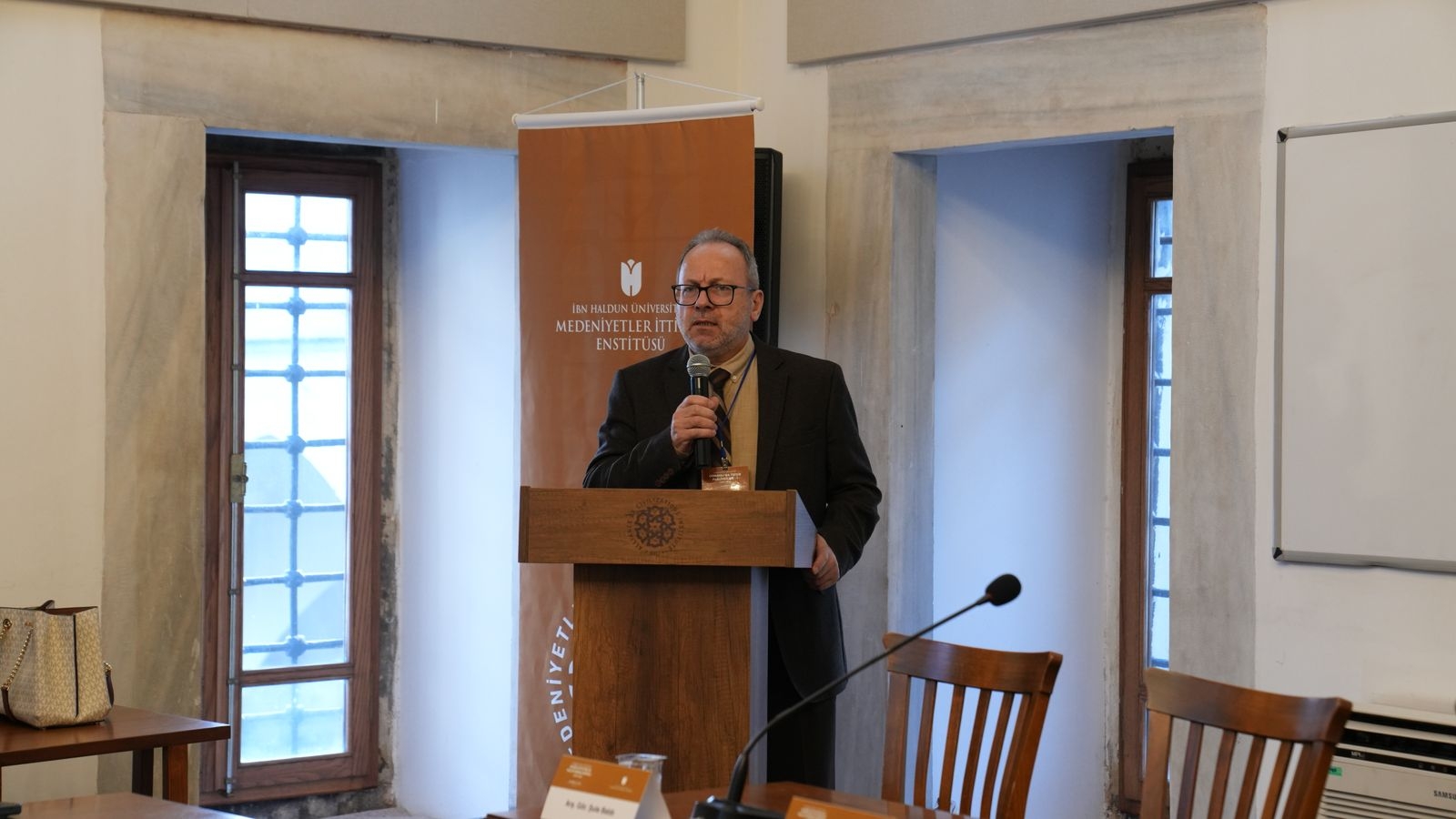
The International Symposium “Tafsir Activities in the Ottoman Empire I (1299–1600)”, organized by the School of Islamic Studies at Ibn Haldun University, was held on 7–8 November 2026 at the Salis Madrasa on the Süleymaniye Campus.
Researchers from Türkiye and abroad took part. The symposium examined the scholarly development of the Ottoman tafsir tradition from its foundation to the end of the sixteenth century from a range of perspectives.
Tafsir Activities as a Vital Part of the History of Scholarship
The symposium aimed to study tafsir activities, an important part of Ottoman intellectual and scholarly history, in a holistic manner. Twenty papers were presented across five sessions. Specialists in the field addressed a wide range of questions, from the scholarly identities of early Ottoman exegetes to the formation of tafsir literature, and from tafsir methods and sources to the commentary (sharh) and supercommentary (hāshiya) tradition.
On the first day, the participants discussed the establishment of the Ottoman tafsir tradition and the question of its affiliation. They considered the identities and scholarly circles of early exegetes and the factors that shaped the development of their tafsir activities. Next, the methods, use of sources, and relationship to earlier scholarly traditions of early tafsir works were examined through leading figures of the Ottoman scholarly tradition such as Molla Fenârî and Molla Gürânî. The final session of the day addressed the commentary and supercommentary literature that developed around the tafsirs of al-Bayḍāwī and al-Zamakhsharī. It assessed how Ottoman scholars engaged with these works and what they contributed to the tafsir tradition.
Diverse Approaches to Tafsir and Literary Genres
On the second day, the different genres of composition and interpretive methods in Ottoman tafsir literature came to the fore. The sessions focused on the tafsir activities of Ibn Kemal Pasha, works of the muḥākamāt genre, and comparative studies with tafsir traditions in other regions. In the last session, Ebüssuûd Efendi’s tafsir was evaluated in terms of its relationship to disciplines such as language, rhetoric, and politics. The session also covered the independent treatises that Ottoman scholars wrote on particular verses.
The presentations and discussions over the two days showed that Ottoman tafsir activity was not limited to independent tafsir works. A rich scholarly legacy also took shape through genres such as commentaries, supercommentaries, abridgments, muḥākamāt, and treatises on individual verses. Participants also stressed the importance of identifying and studying manuscripts, establishing intertextual relationships, and investigating the Ottoman tafsir heritage’s connection to earlier scholarly traditions.
The symposium concluded with a general evaluation and closing session featuring Prof. Dr. Mehmet Çiçek, Assist. Prof. Dr. Ahmet Faruk Güney, and Assist. Prof. Dr. İhsan Kahveci.
By opening different periods and issues of Ottoman tafsir history to scholarly debate, the symposium helped bring together existing research in the field. It also strengthened academic interaction among researchers and encouraged new studies on the Ottoman tafsir heritage.
Photos
Related Content
“TÜBİTAK 2209-A Research Project Support Programme for Undergraduate Students” Held
Asst. Prof. Mehmet Ali Başak’s Article Published in “Annual Review of the Sociology of Religion”
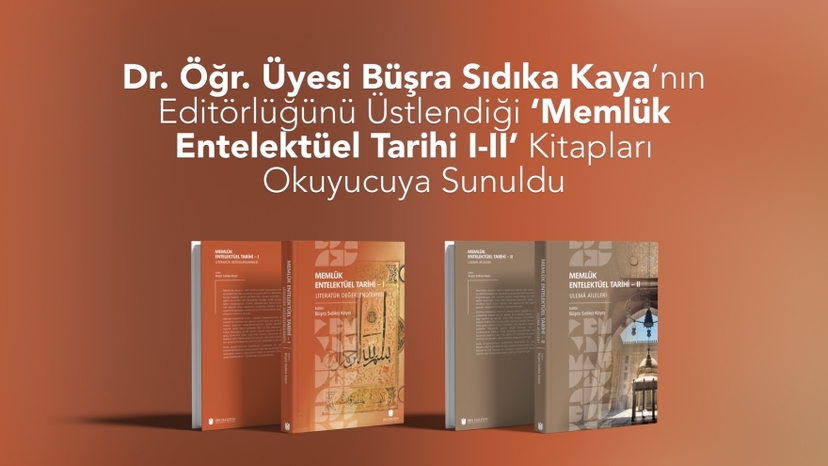
Mamluk Intellectual History I–II, Edited by Asst. Prof. Büşra Sıdıka Kaya, Published by IHU Press
Asst. Prof. Feyza Uzunoğlu and Our Graduate Student Rukiye Gedikli Present Two Papers at the 3rd International Mesopotamia Congress
Asst. Prof. Feyza Uzunoğlu Saçmalı Presented at the 59th Leeds International Medieval Congress
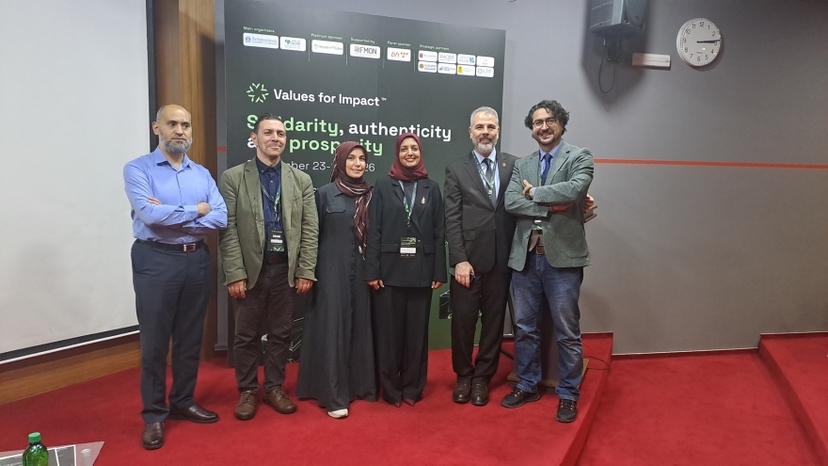
Büşra Sıdıka Kaya Examines Bosnia's Intellectual Heritage and Resilience in International Sarajevo University
Assist. Prof. Mehmet Ali Başak Invited as a Speaker at the International Conference Themed “The Future of Islamic Law and Artificial Intelligence”
International AISSHA Program Held Under the Leadership of the School of Islamic Studies Department of Philosophy and Religious Studies