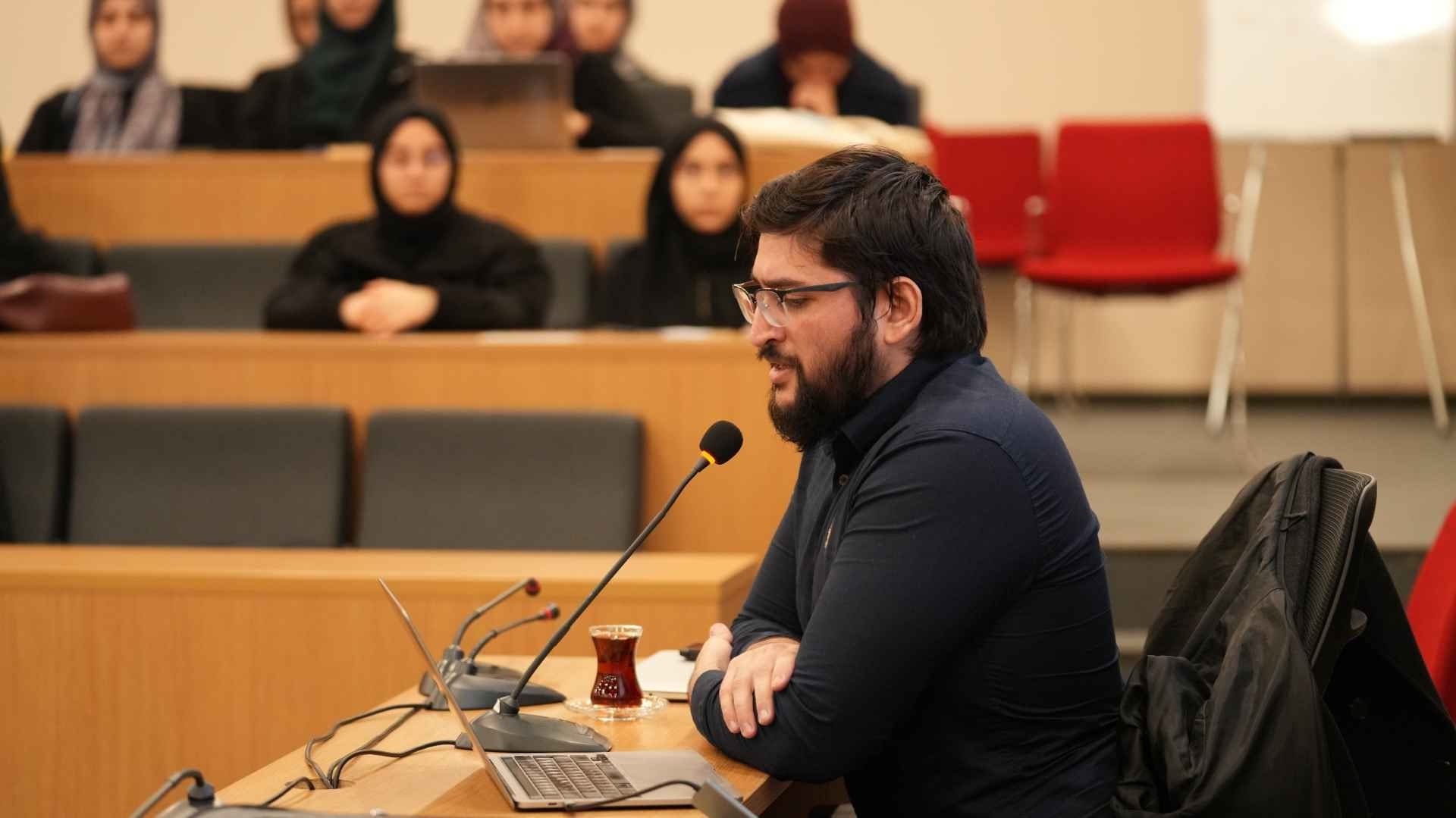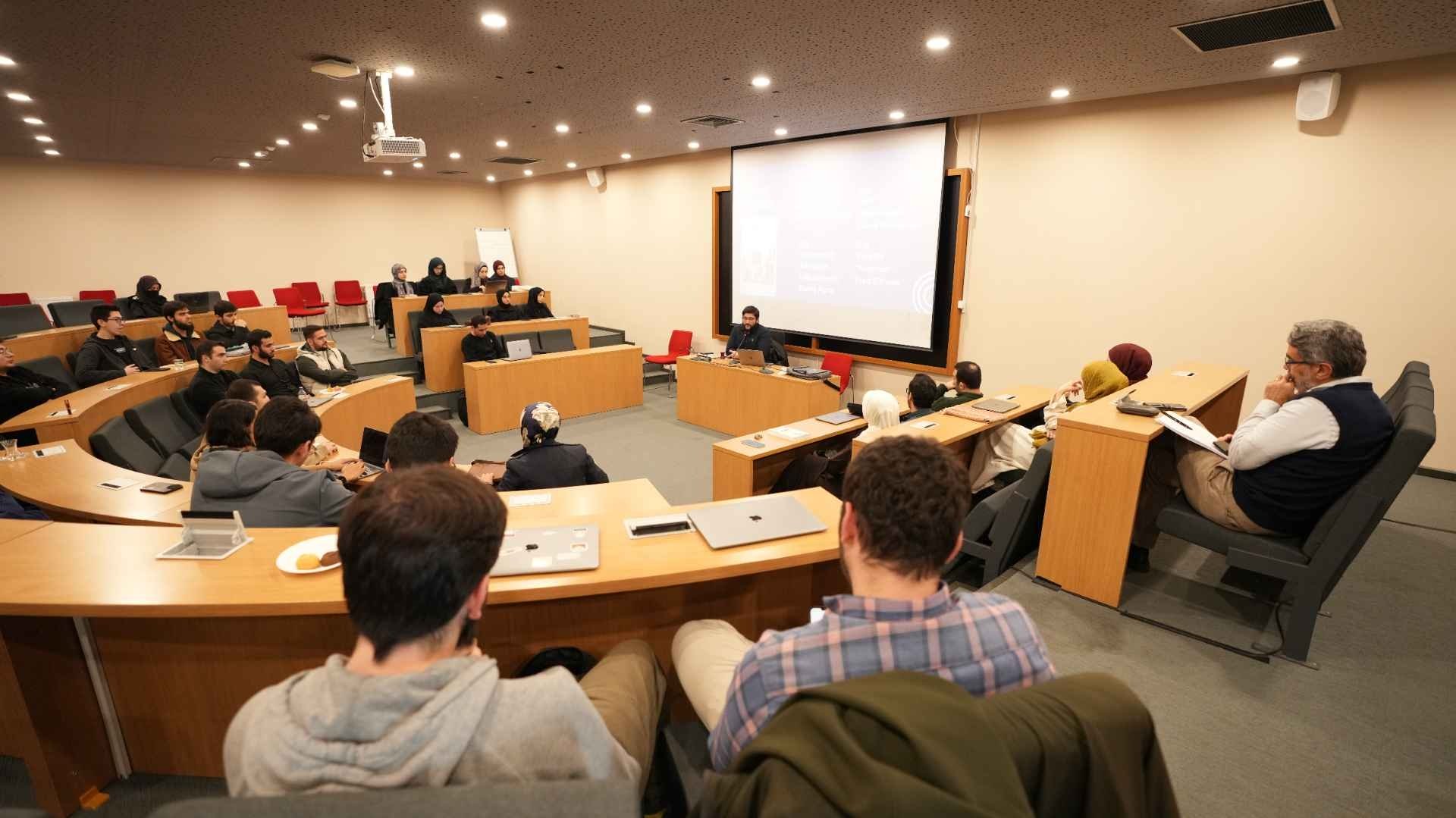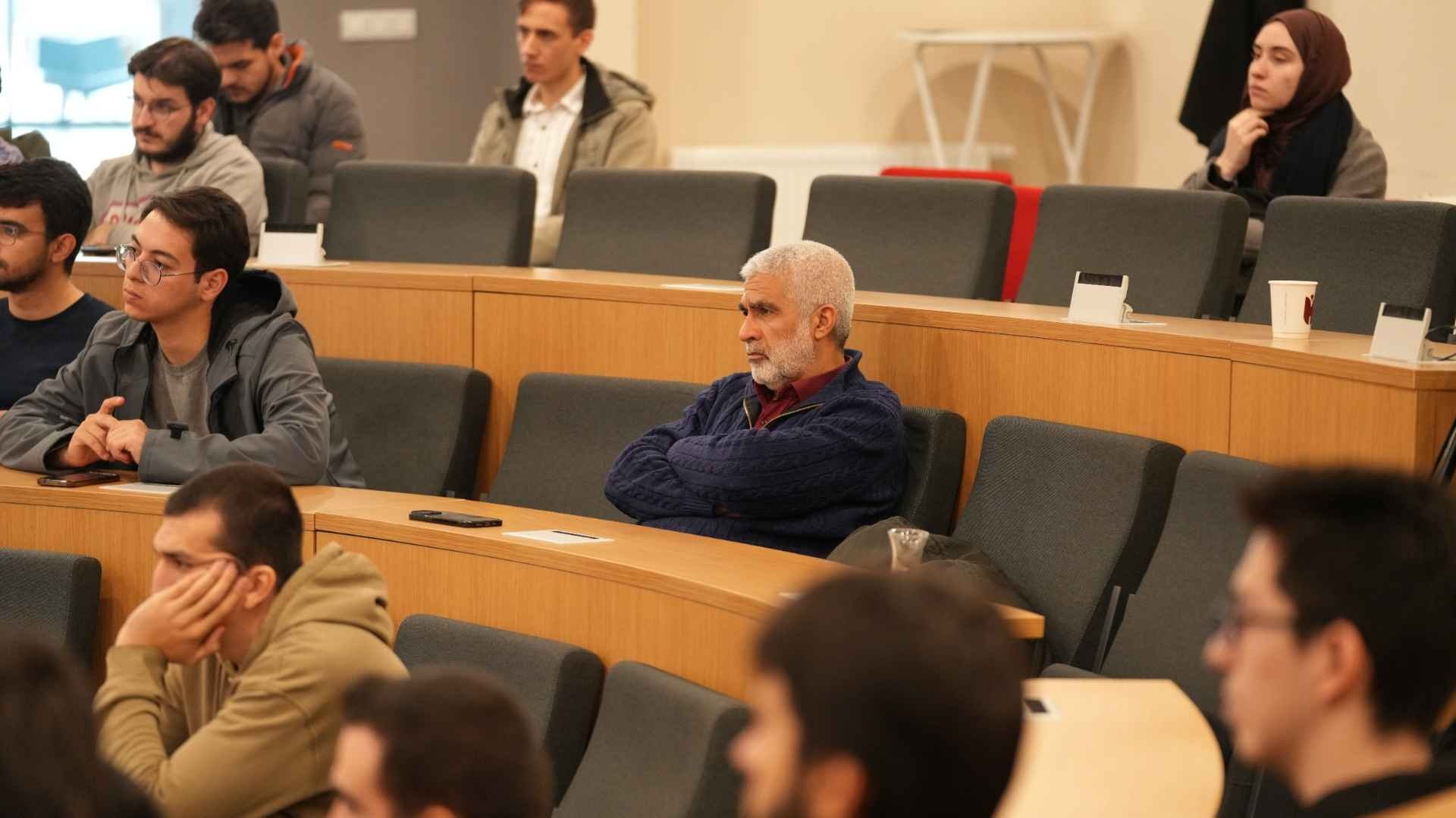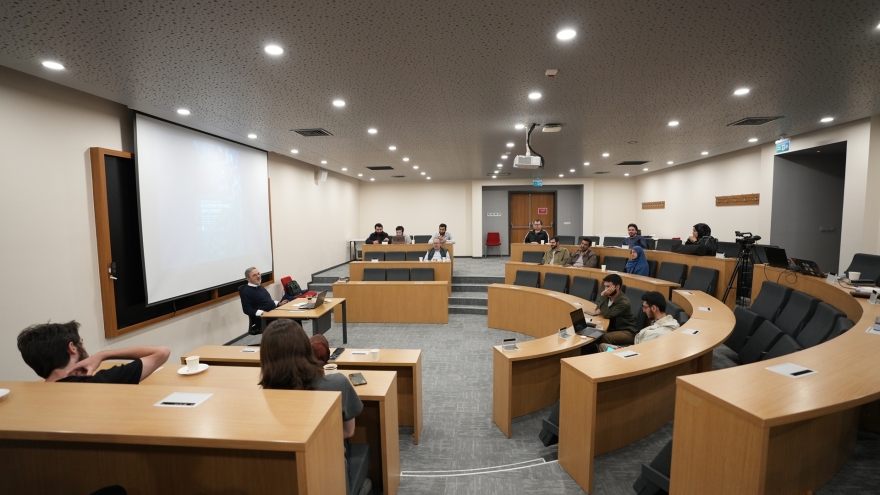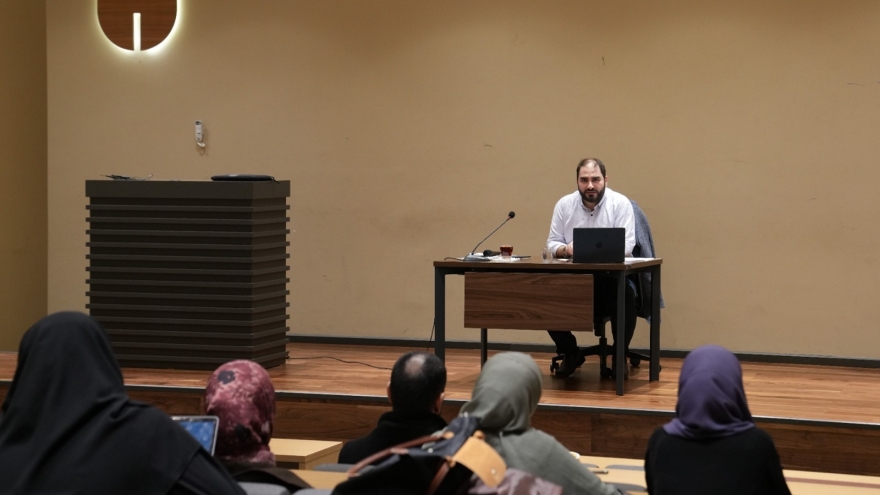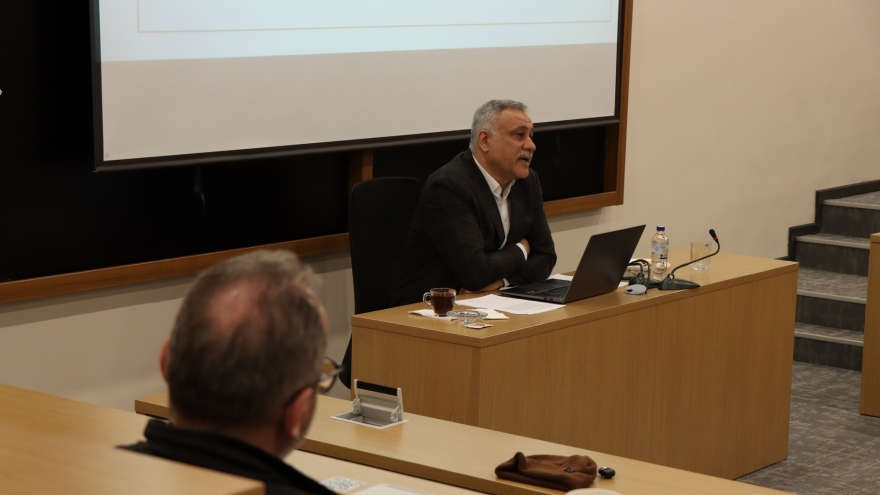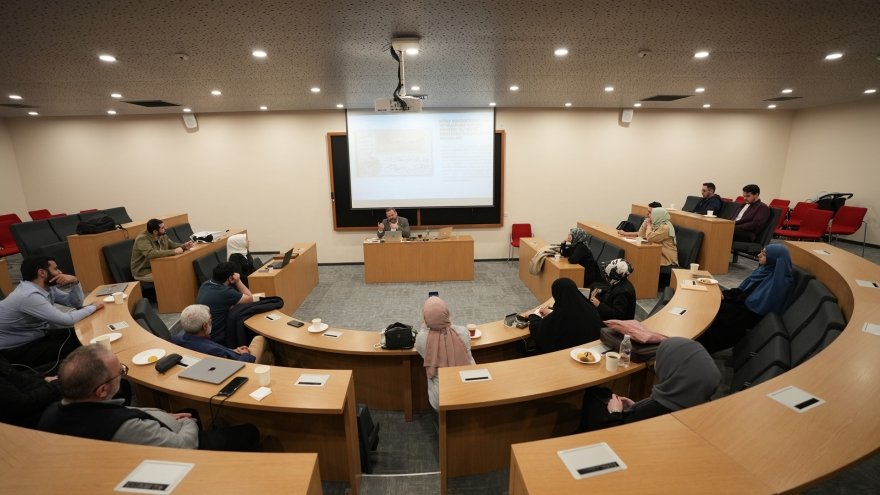
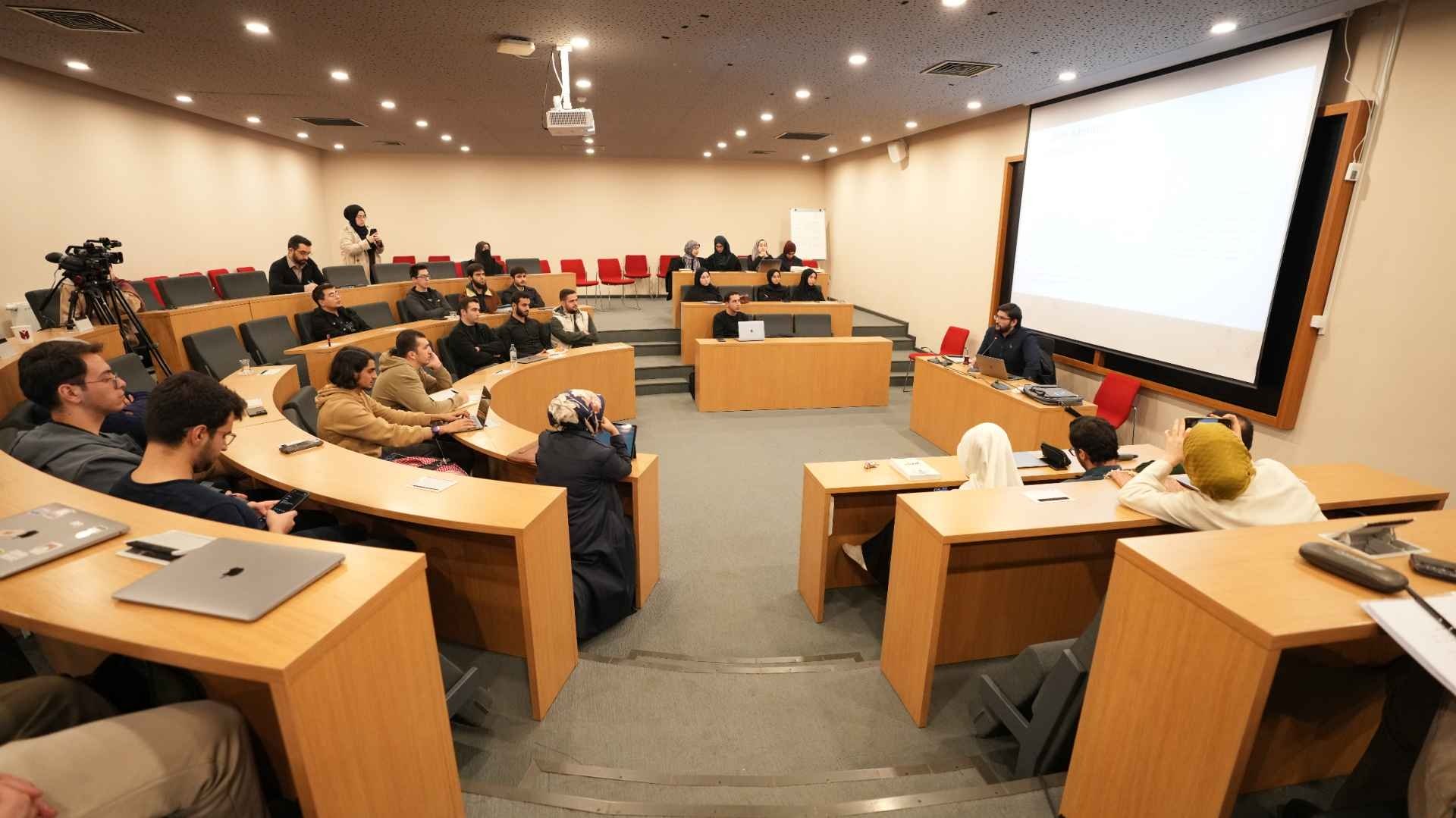
The tenth session of the Islamic Studies Conferences organized by the School of Islamic Studies at Ibn Haldun University was held on Tuesday, December 2, at the Media and Event Center, Teoman Duralı Conference Hall, with a lecture titled “The Premodern Origins of Jihadi-Salafism” delivered by Dr. Jaan S. Islam, a faculty member at Boğaziçi University. The talk highlighted that contemporary jihadi-Salafi ideology is connected not only to modern political developments but also to specific conceptual and legal debates within classical Islamic thought.
Dr. Islam examined early debates on political theology, concepts of authority and legitimacy, legal orientations, and theological frameworks. He addressed the sources that contemporary jihadi-Salafi discourse draws upon within a historical continuity, particularly through discussions on Kharijite–political traditions, medieval Hanbali literature, interpretations of the doctrine of jihad, the balance between obedience and rebellion, and debates concerning Sharʿi authority. The presentation offered an interdisciplinary perspective with extensive examples from both classical literature and modern scholarship. Focusing on the continuities, ruptures, and reinterpretation processes between the premodern period and modern ideological formations, Dr. Islam explained the historical context of the texts central to jihadi-Salafi movements and demonstrated how these texts are selectively employed and reconfigured into an ideological framework today. In doing so, he opened up significant avenues for discussing the historicity of religious thought and the socio-political context of textual interpretation.
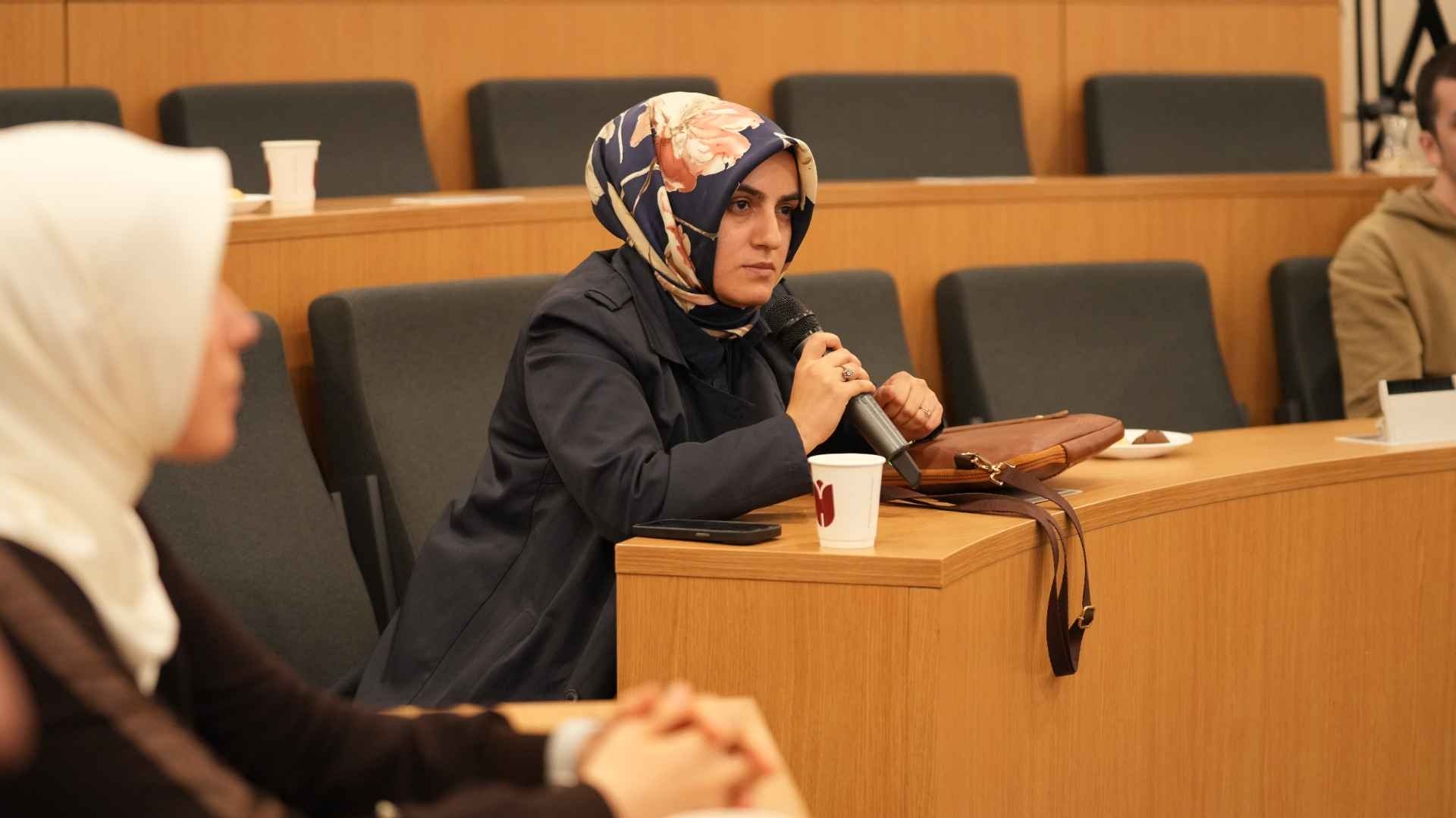
During the question–answer session, participants posed questions on the influence of Salafi thought in modern Middle Eastern politics, processes of radicalization, and the various strands within the Salafi tradition. Dr. Islam’s responses shed light on both the historical and contemporary dimensions of the topic.
The School of Islamic Studies will continue to invite various researchers and scholars throughout the semester as part of this conference series aimed at enriching academic thought.