Academics from the Department of Religious Studies Presented Papers on Headscarf and Religiosity at the International BRAIS 2026 Symposium

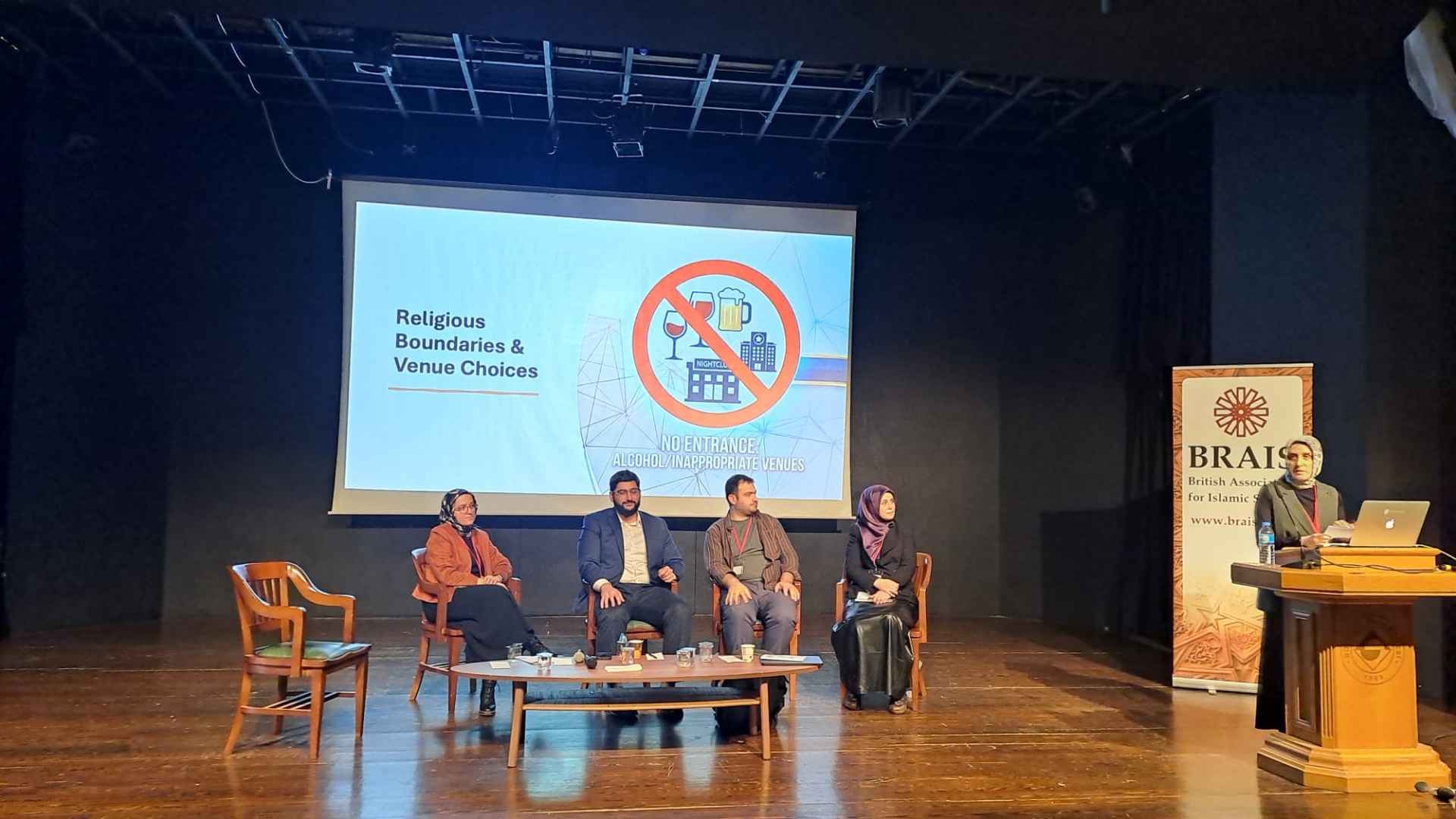
Academics from the Department of Religious Studies at the School of Islamic Studies of our University participated in the British Association for Islamic Studies (BRAIS) Symposium, held this year in Istanbul, with a panel entitled “Headscarf, Piety, and Politics in Türkiye.”
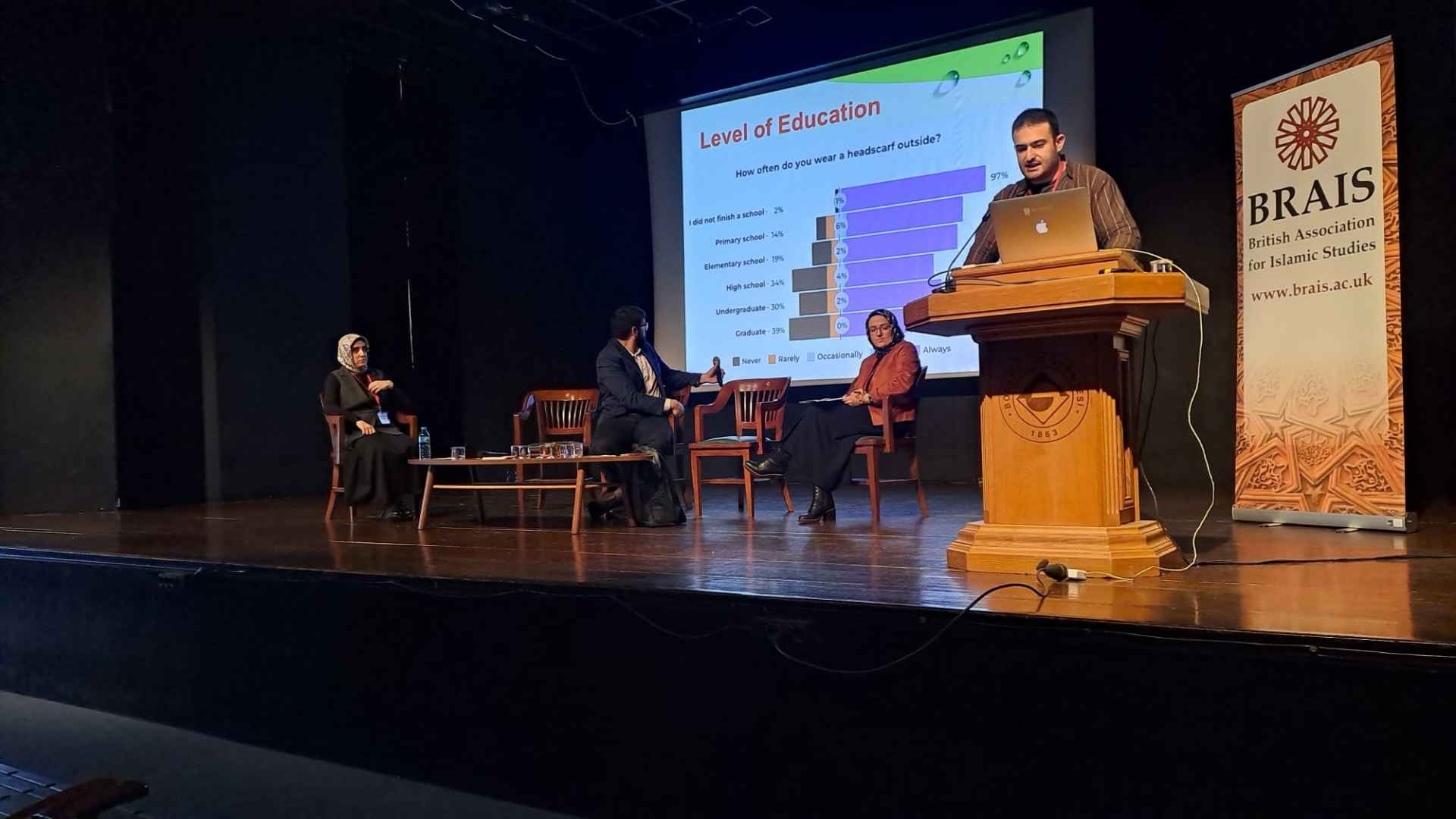
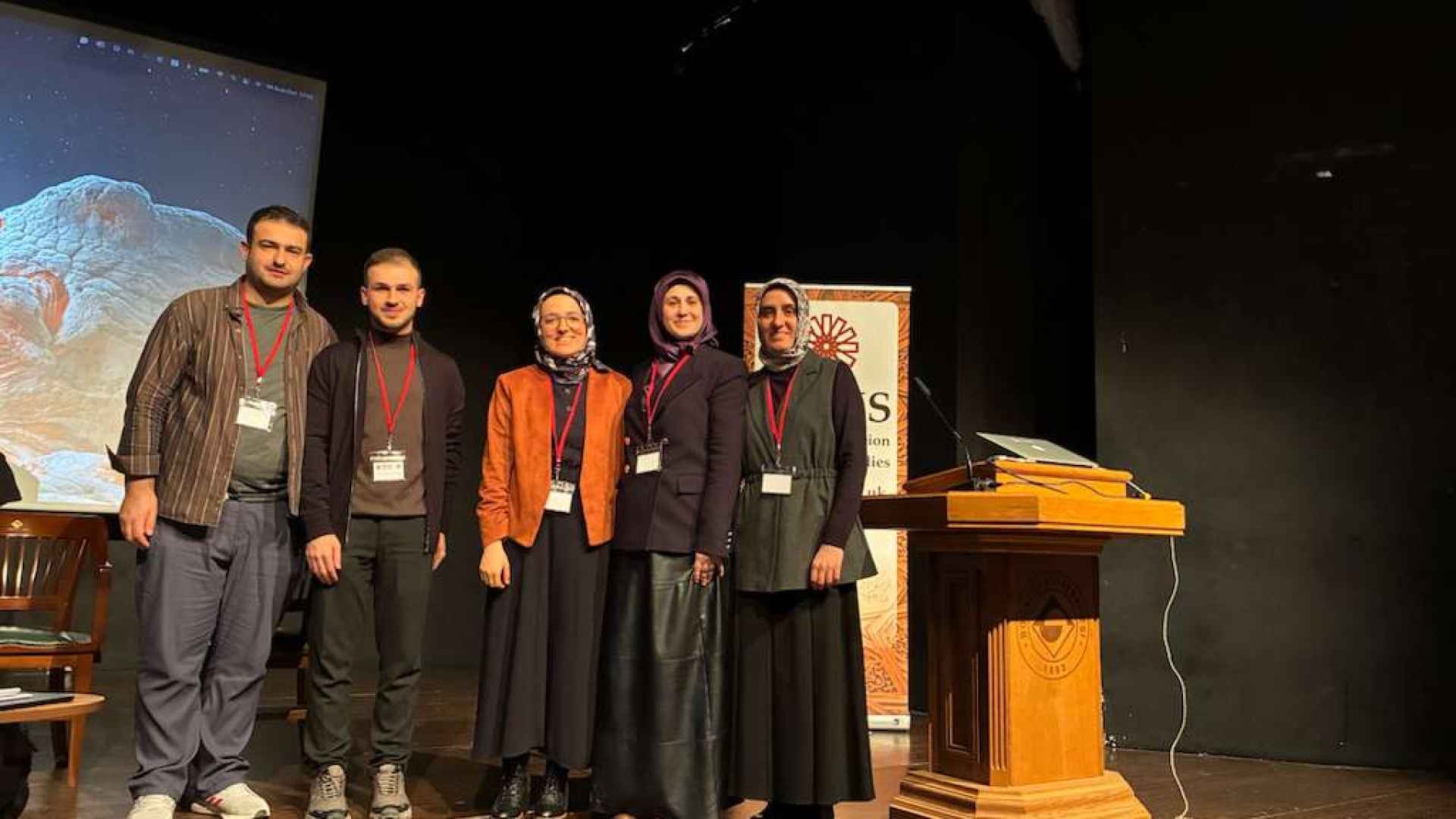
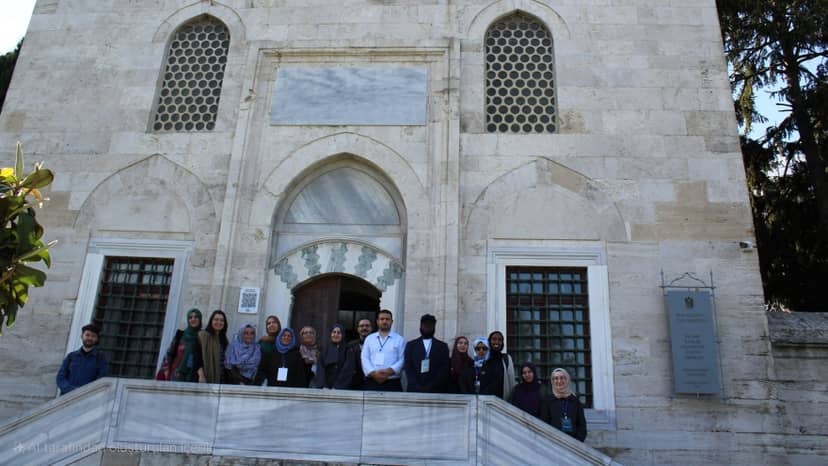
Academics from the Department of Religious Studies at the School of Islamic Studies of Ibn Haldun University took part in the British Association for Islamic Studies (BRAIS) Symposium, which was held in Istanbul at Boğaziçi University on January 24–25, 2026. Usually held in the United Kingdom and regarded as one of the most prestigious events in the field of Islamic Studies, the symposium featured a panel chaired by Jaan Islam entitled “The Veil in View: Piety, Politics, and Pressure in Contemporary Türkiye.” Within this panel, our academics presented their papers focusing on the theme of “Headscarf, Piety, and Politics in Türkiye.”
A Quantitative Perspective on Headscarf Practices: TGSS Data
Mehmet Ali Başak, Assistant Professor in the Department of Religious Studies, shared findings based on data from the 2024 Türkiye General Social Survey (TGSS) in his presentation entitled “Mapping Headscarf Wearing Women in Türkiye: Piety, Politics, and Place.” Assist. Prof. Başak analyzed how generational differences and political affiliations have shaped headscarf practices in the post-normalization period, highlighting the distinction between headscarf use in the public sphere and religious practices in the private sphere.
Dual-Sided Communal Pressure in Headscarf Debates
Assist. Prof. Feyza Uzunoğlu, Head of the Department of Religious Studies, in her paper entitled “Navigating Digital Scrutiny: The Dual-Sided Pressure of the ‘Perfect Muslim Woman’ and Hijab Abandonment in Contemporary Türkiye,” emphasized that practices of abandoning the headscarf in contemporary Türkiye cannot be explained solely through secularization. Assist. Prof. Uzunoğlu examined the pressures participants faced during the period they wore the headscarf—stemming from both secular and religious circles—through the concept of “dual-sided communal pressure.” The presentation also discussed the influence of concepts such as the “Perfect Muslim Woman” stereotype, asymmetric judgment, symbolic violence, and the notion of “representational burden” developed by Numan Sağırlı and Prof. Kemal Ataman on the decision to abandon the headscarf.
Islamic Finance and the Politics of Visibility
Dr. Şeyma Kabaoğlu, a postdoctoral researcher in the Department of Religious Studies, examined the Islamic banking sector through the lenses of gender and the “politics of visibility” in her presentation entitled “Banking on Headscarves: Politics of Visibility in Islamic Participation Finance in Türkiye.” Kabaoğlu discussed the experiences of headscarf-wearing women in the labor market through the concept of the “dignity tax,” while conceptualizing linguistic transformations within the sector using the term “secular-washing.”
An Analysis of Communal Pressure through the Concept of “al-Âlem”
Dr. Necmiye Durmuş, a visiting researcher at the School of Islamic Studies, presented her paper entitled “Religious Thought vs. Communal Pressure in Türkiye: Navigating the Gaze of al-Âlem” in which she examined the experiences of headscarf-wearing women by approaching the concept of “al-âlem” as a mechanism of social control. Durmuş emphasized that religious thought performs a dual function by both neutralizing and reinforcing the social gaze.
The papers presented at the panel made significant contributions to the literature by examining headscarf practices in Türkiye from sociological, economic, and anthropological perspectives. Among the audience of the well-attended panel was Dr. Heba Raouf Ezzat, one of the distinguished scholars in the field, whose post-presentation remarks added further value to the session. Our students Murat Batuhan Sarıkaya from Religious Studies, Enes Tuncer from the School of Islamic Studies, and Mehmet Emin Sarıoğlu from the Psychology Department served voluntarily throughout the symposium and contributed to the smooth organization of the panel.
As Ibn Haldun University, we congratulate our academics for representing both our University and our country on international academic platforms successfully and wish them continued success in their scholarly endeavors.
Photos
Related Content
Asst. Prof. Feyza Uzunoğlu and Our Graduate Student Rukiye Gedikli Present Two Papers at the 3rd International Mesopotamia Congress
Asst. Prof. Feyza Uzunoğlu Saçmalı Presented at the 59th Leeds International Medieval Congress
Büşra Sıdıka Kaya Examines Bosnia's Intellectual Heritage and Resilience in International Sarajevo University
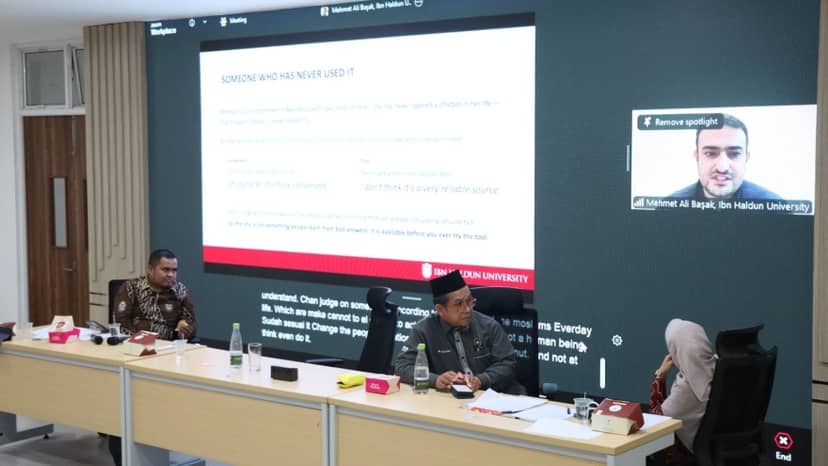
Assist. Prof. Mehmet Ali Başak Invited as a Speaker at the International Conference Themed “The Future of Islamic Law and Artificial Intelligence”
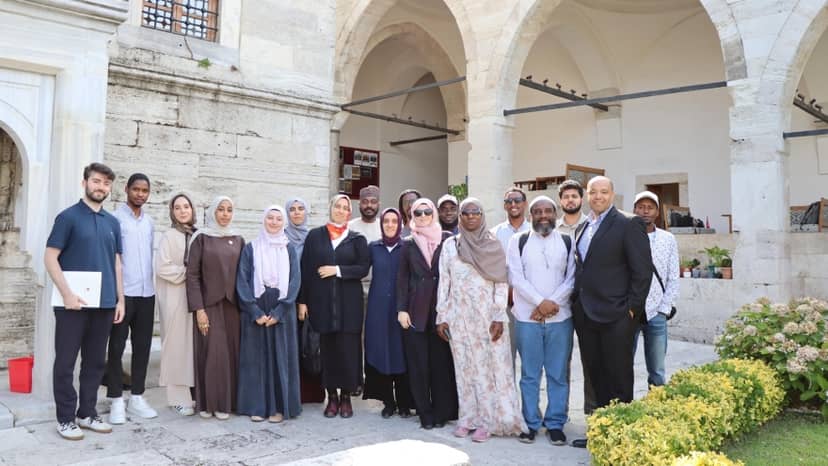
International AISSHA Program Held Under the Leadership of the School of Islamic Studies Department of Philosophy and Religious Studies
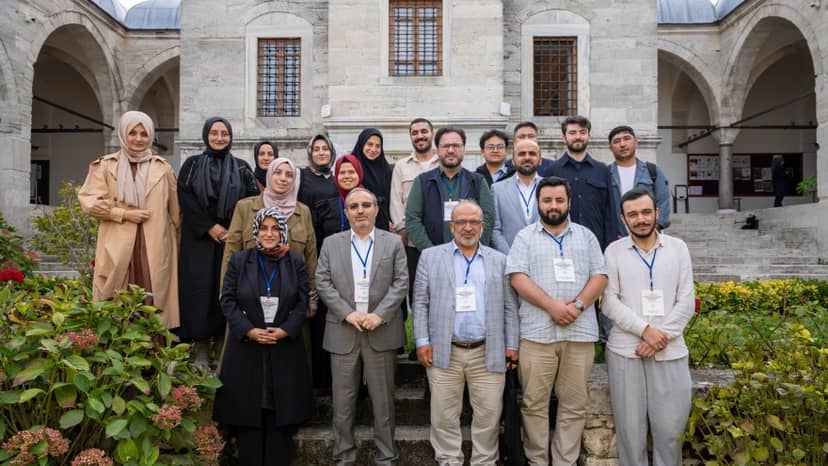
“Reflections of Necessity: The Application of the Principle of Necessity from a Bio-Fiqh Perspective” Workshop Held in Salis Madrasa
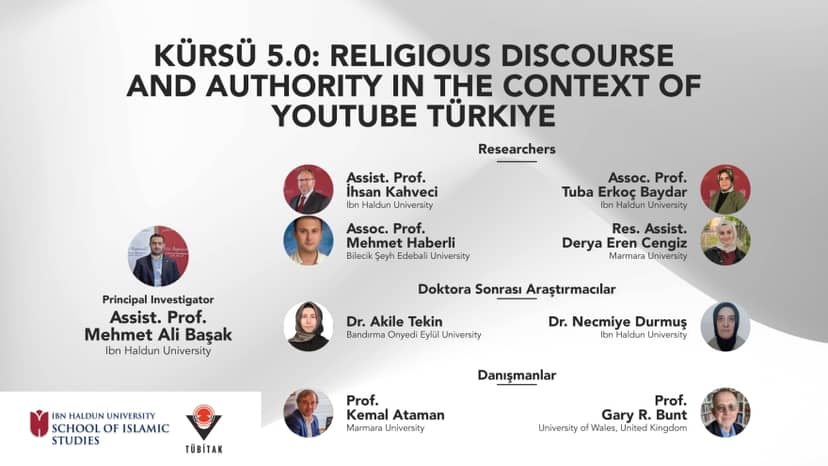
“Kürsü 5.0” Project Led by Assist. Prof. Member Mehmet Ali Başak Receives TÜBİTAK 1001 Funding
School of Islamic Studies Held “Understanding Muslim Subjectivities in Local and Global Contexts”